
Complete Guide to Outboard Engine Service and Maintenance
Owning a boat comes with the responsibility of keeping the engine in excellent condition. A well-maintained outboard motor delivers better performance, improves fuel efficiency, and reduces the chance of unexpected breakdowns on the water. Regular servicing also helps extend the life of expensive engine components.
This Outboard Engine Service Guide explains the maintenance tasks every boat owner should understand. You will learn how to service an outboard engine, what parts require regular inspection, and how a consistent maintenance routine helps prevent costly repairs throughout the boating season.
What Is an Outboard Engine Service Guide?
An Outboard Engine Service Guide is a maintenance plan that explains how to inspect, clean, and replace essential engine components at the correct intervals. It covers routine inspections, fluid changes, and preventive maintenance that help the engine operate safely under different boating conditions.
Following a service guide keeps maintenance organized instead of waiting until a problem appears. Small inspections performed throughout the year often prevent expensive engine damage and improve reliability during every trip.
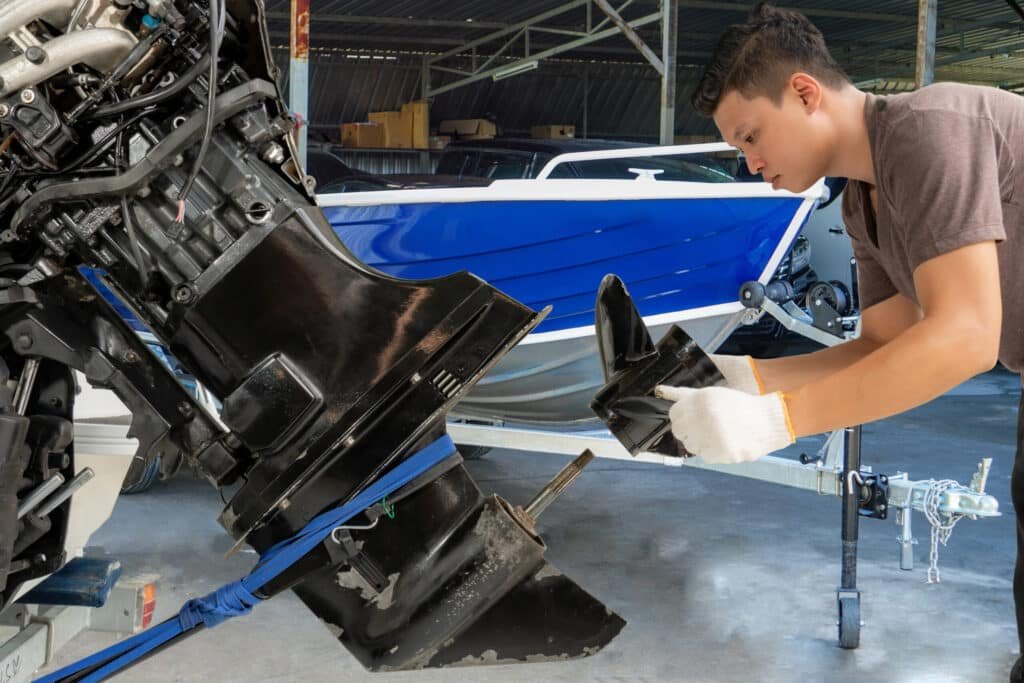
Why Routine Maintenance Matters
Routine outboard motor maintenance keeps internal engine parts clean and properly lubricated. Dirt, moisture, and worn components gradually reduce engine efficiency if maintenance is ignored. Addressing small issues early lowers repair costs and helps maintain consistent engine performance.
Regular servicing also improves safety. An engine that starts quickly and runs smoothly gives boat owners greater confidence during long trips, especially when operating in changing weather or remote waterways.
Essential Parts That Need Regular Inspection
Every outboard motor contains several components that require scheduled maintenance. Inspecting these parts helps identify wear before it develops into major mechanical problems.
Engine Oil Change
A regular engine oil change removes contaminants that build up during operation. Fresh oil protects moving parts from excessive friction and helps maintain proper engine temperature. Boat owners should always follow the manufacturer’s recommended service intervals for oil replacement.
Dirty oil reduces lubrication and increases internal wear. Replacing oil on schedule keeps the engine operating efficiently throughout the boating season and supports long-term reliability.
Lower Unit Oil Change
The lower unit transfers engine power to the propeller. A lower unit oil change helps protect internal gears from wear and moisture contamination. If water enters the gear case, serious damage may occur if it is not detected early.
Inspecting the drained gear oil also provides useful information about the condition of internal seals. Milky oil often indicates water intrusion and should be investigated before further operation.
Spark Plug Inspection
A spark plug inspection should be part of every maintenance routine. Spark plugs ignite the fuel mixture, allowing the engine to produce consistent power. Worn or dirty plugs can cause rough idling, poor acceleration, and increased fuel consumption.
Replacing spark plugs at recommended intervals helps maintain reliable engine starting and smoother overall performance during every boating trip.
Fuel Filter Replacement
Clean fuel is essential for proper engine operation. A fuel filter replacement removes dirt, rust, and debris before contaminants reach sensitive fuel system components.
A clogged fuel filter can reduce engine power and create starting problems. Inspecting and replacing the filter as part of routine boat engine maintenance improves fuel delivery and supports dependable engine performance.
Cooling System Check
An effective cooling system check helps prevent overheating. Water passages should remain clear so the engine can maintain safe operating temperatures under different boating conditions.
Inspecting the tell-tale water stream provides a quick indication that cooling water is circulating properly. If water flow appears weak or stops completely, further inspection should be completed before operating the boat again.
Water Pump Replacement and Impeller Inspection
The water pump plays an important role in protecting the engine from excessive heat. An impeller inspection should be completed according to the manufacturer’s maintenance schedule because rubber impellers naturally wear over time.
A timely water pump replacement helps maintain proper cooling performance and reduces the risk of overheating during extended operation. Replacing worn impellers before failure is much less expensive than repairing heat-related engine damage.
Thermostat Check
A regular thermostat check ensures the engine reaches and maintains the proper operating temperature. A thermostat that sticks open or closed can affect performance, fuel efficiency, and overall engine health.
Inspecting the thermostat during scheduled marine engine service helps identify cooling issues before they develop into larger mechanical problems. Consistent temperature control also supports longer engine life.
How to Service an Outboard Engine
Learning how to service an outboard engine starts with following a consistent maintenance routine rather than waiting for problems to appear. Begin by checking engine oil, gear oil, fuel lines, and visible components before every boating season. A careful inspection often identifies small issues before they become expensive repairs.
Next, clean the engine exterior and remove any salt, dirt, or debris that may cause corrosion. Inspect hoses, electrical connections, and mounting hardware for signs of wear. Keeping the engine clean also makes it easier to spot leaks or damaged parts during future inspections.
A complete service should also include fuel system cleaning to remove deposits that restrict fuel flow. Fresh fuel, clean filters, and proper storage reduce the risk of starting problems after long periods without use. This simple step supports smoother engine performance throughout the season.
Follow an Outboard Engine Service Checklist
An Outboard Engine Service Guide becomes easier to follow when you use a maintenance checklist. Recording completed tasks helps boat owners stay on schedule and reduces the chance of overlooking important inspections.
A typical outboard engine service checklist includes checking engine oil, completing a lower unit oil change, inspecting spark plugs, replacing the fuel filter, checking the cooling system, examining the propeller, inspecting the impeller, and confirming the thermostat operates correctly. Performing these inspections regularly keeps maintenance organized and consistent.
Create an Outboard Motor Service Schedule
A planned outboard motor service schedule helps maintain reliable engine performance throughout the year. Some inspections should be completed before every trip, while others are recommended after a certain number of operating hours or at the end of each boating season.
Following the maintenance schedule provided by the engine manufacturer helps prevent unnecessary wear. Combining seasonal inspections with routine maintenance creates a dependable service routine that protects your investment and reduces unexpected downtime on the water.
Common Outboard Motor Troubleshooting Tips
Basic outboard motor troubleshooting begins by identifying common symptoms instead of replacing parts immediately. Hard starting, rough idling, reduced power, or overheating often point to maintenance issues that can be corrected through inspection.
Fuel delivery problems are frequently linked to dirty filters or contaminated fuel. Cooling issues may result from a worn impeller or blocked water passages. Poor engine performance can also be caused by worn spark plugs or neglected maintenance. A systematic inspection helps identify the real cause before repairs begin.
DIY Outboard Engine Service or Professional Maintenance
A DIY outboard engine service works well for routine maintenance such as changing engine oil, replacing fuel filters, inspecting spark plugs, and checking the propeller. These tasks require basic tools and careful attention to the manufacturer’s recommendations.
Professional servicing is recommended for complex repairs, electrical diagnostics, internal engine work, or problems that require specialized equipment. Combining routine DIY maintenance with scheduled professional inspections helps keep the engine in excellent condition while reducing long-term repair costs.
Protect Your Investment with Regular Maintenance
Consistent outboard engine repair and maintenance is one of the most effective ways to extend engine life and improve reliability. Small maintenance tasks completed on time often prevent expensive mechanical failures that interrupt boating plans.
Following an Outboard Engine Service Guide also improves fuel efficiency, reduces unnecessary wear, and provides greater confidence every time the boat leaves the dock. Preventive maintenance always costs less than repairing major engine damage caused by neglect.
Final Thoughts
An organized maintenance routine keeps your outboard motor dependable throughout the boating season. Regular inspections, scheduled oil changes, cooling system checks, and fuel system maintenance all contribute to better performance and longer engine life. Following a reliable Outboard Engine Service Guide gives boat owners a practical approach to preventing costly repairs and enjoying safer time on the water.
If you need professional servicing or expert advice, contact Boat Service Barnett to keep your outboard engine operating at its best.