
Marine environments are incredibly harsh on electrical systems. Constant exposure to saltwater corrosion, high-speed vibration, and heavy moisture creates an ongoing battle against functionality. Knowing how to properly maintain your vessel saves valuable time on the water. This marine electrical repair guide provides practical, actionable steps for identifying faults before they leave you stranded at the dock.
Taking a systematic approach instantly removes the guesswork from routine maintenance. Randomly checking wires rarely solves any underlying faults permanently. A logical method helps isolate the exact point of failure quickly and safely. We will detail everything from simple battery checks to resolving complex faults that ultimately require professional Boat Electrical Repairs later on.
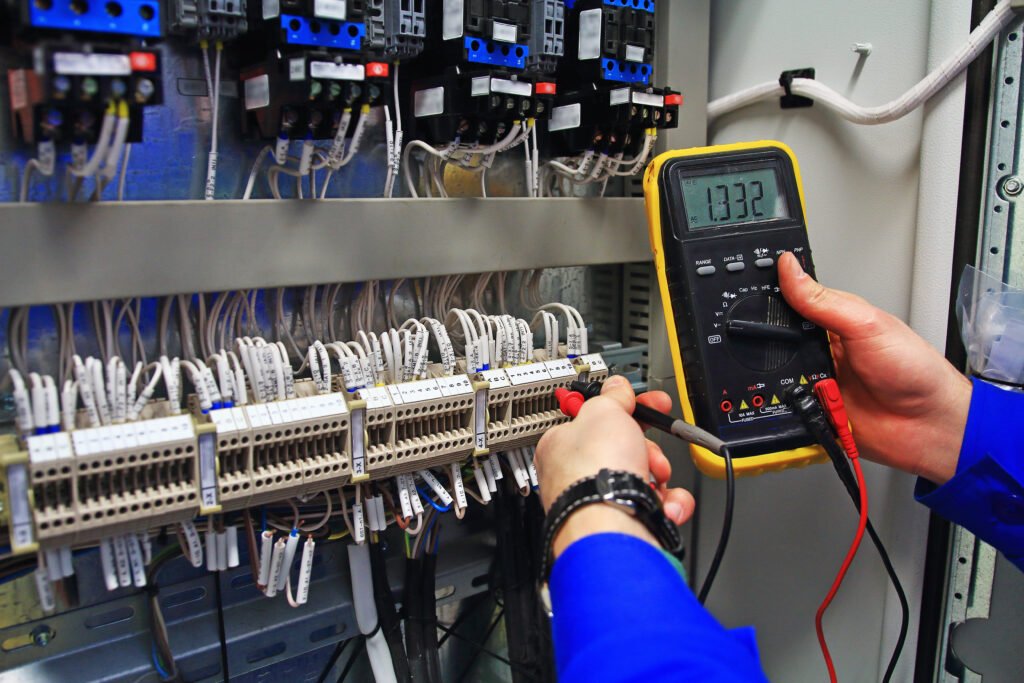
Grasping boat electrical system basics starts with knowing your primary power source. Most recreational vessels utilize a 12-volt direct current system powered by heavy-duty marine batteries. This power runs through a series of fuses, mechanical switches, and tinned copper wiring to safely operate your bilge pumps, navigation electronics, and interior cabin lighting.
The entire system relies strictly on a complete circuit to function correctly. Power flows from the positive battery terminal directly to the device and returns through the negative ground wire. Any physical interruption in this specific path causes immediate mechanical failures. Finding that hidden interruption remains the core focus of testing marine systems safely.
Always prioritize safety when working around high-cranking batteries and exposed wiring. Disconnect all main power sources before cutting or splicing any live connections. Wear protective eyewear and remove metal rings or watches. A simple short across heavy battery terminals easily causes severe burns or catastrophic battery failure. Treat every single wire as if it carries a live electrical current.
A basic digital multimeter stands as the primary tool for testing these faults accurately. You need this handheld device to measure direct current voltage and check for continuity across long wire runs. A simple 12-volt test light also works perfectly for quick visual checks. These affordable diagnostic tools pay for themselves during your very first successful repair.
Wire crimpers designed specifically for marine heat-shrink connectors are another absolute necessity. Standard automotive crimpers fail to create the tight mechanical bond needed on the water. A good wire stripper prevents accidental damage to the delicate internal copper strands. Keeping a small wire brush handy helps clean light corrosion off terminals and bus bars before testing.
Owners frequently face the exact same recurring faults season after season. Dead batteries, blown inline fuses, and heavily corroded terminal connections consistently rank at the top of the failure list. Constant water intrusion aggressively accelerates these common boat electrical problems over time. Regular visual inspections catch green corrosion on terminals before it causes a complete structural system failure.
Every single electrical issue requires a confirmed good power source right from the start. Learning how to test boat battery voltage saves hours of wasted effort chasing ghost problems through the hull. Set your digital multimeter to the DC voltage setting and touch the metal probes directly to the positive and negative lead battery posts.
A fully charged 12-volt marine battery should read around 12.6 volts or slightly higher resting. Anything below 12.2 volts indicates a deeply discharged battery that desperately needs charging or full replacement. Testing the battery while the outboard engine runs should show 13.5 to 14.5 volts, confirming the internal alternator actively charges the system.
Load testing provides a much more accurate picture of long-term battery health. A severely degraded battery might show good resting voltage but fail instantly under a heavy starter load. Auto parts stores regularly perform deep load tests for free. If the battery fails this specific stress test, replace it before starting any other diagnostic wiring work.
The main distribution panel directly controls the flow of power to individual accessory circuits. Testing marine electrical panels requires checking both the incoming main power feed and the outgoing branch circuits. First, verify that the main breaker actually allows current to enter the central bus bar located directly behind the plastic panel face.
Next, carefully test the individual toggle switches and glass fuses. Place one multimeter probe on the common negative bus bar and the other on the specific output side of a switch. Turn the switch to the on position. If you read zero volts, the switch has failed internally and requires a direct mechanical replacement to restore power.
Figuring out how to troubleshoot marine wiring demands patience and a highly systematic process. Always start testing at the power source and work your way sequentially toward the non-functioning device. Check the main circuit fuse first. A blown fuse often indicates a sudden power surge or a dangerous short circuit somewhere along that specific wire run.
If the inline fuse remains perfectly intact, check for proper voltage directly at the device itself. If the device has full power and a solid ground connection but fails to operate, the device itself is completely broken. If there is absolutely no power reaching the device, the physical fault lies somewhere hidden in the long wiring run.
Visual cues often give away underlying structural faults well before a complete electrical failure actually occurs. Keep a close eye out for clear signs of bad marine wiring during your routine seasonal maintenance. Brittle wire insulation, melted plastic connectors, and black soot marks around metal terminals strongly indicate dangerous heat buildup caused by excessive electrical resistance.
Green or white powdery chemical buildup on connections acts as a powerful insulator, completely blocking current flow. This destructive corrosion heavily creeps under wire jackets, turning shiny copper strands black and incredibly brittle. Wires in this severe condition simply cannot carry their rated amperage and require complete replacement using proper marine-grade tinned copper wire immediately.
Finding hidden physical breaks in long, routed wire runs takes considerable time. Diagnosing boat wiring issues relies heavily on testing for voltage drop across different sections of the active circuit. A severe voltage drop clearly means high resistance exists somewhere in that specific section of wire, most likely due to hidden internal corrosion or a loose mechanical splice.
Never use twist-on wire nuts designed exclusively for stationary residential housing on any moving vessel. Marine environments vibrate constantly, easily causing these loose connectors to fall off completely. Always use marine-grade adhesive heat shrink crimp connectors exclusively. These permanently seal out harsh moisture and provide a secure mechanical bond that easily withstands constant pounding on the rough water.
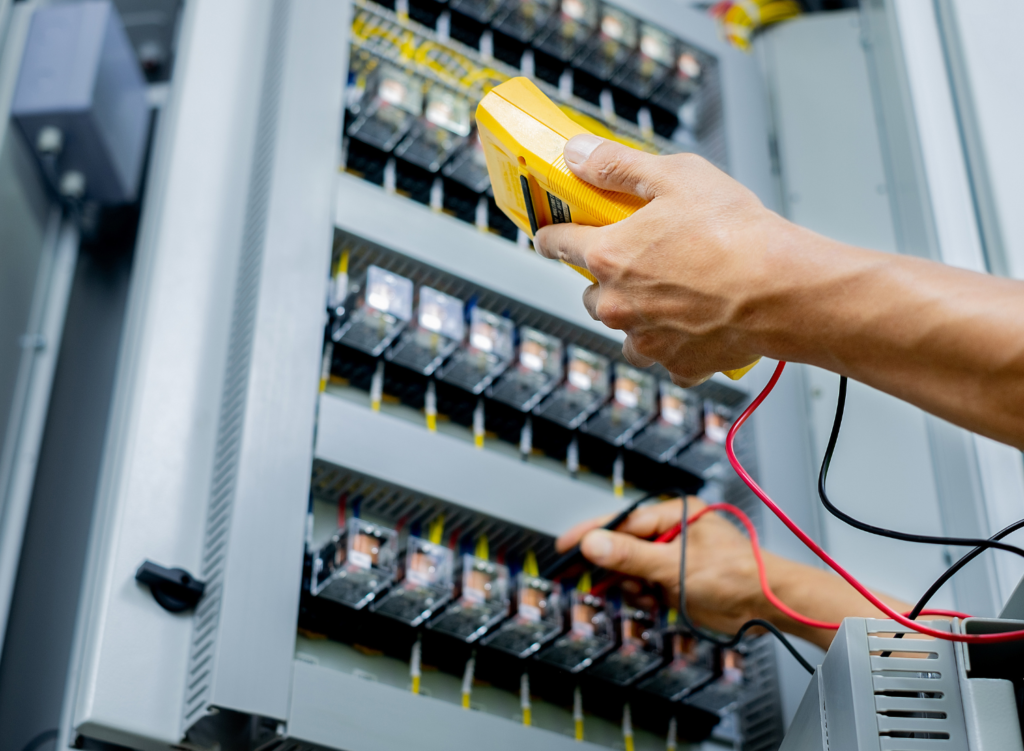
Certain electrical systems fail much more frequently than others solely due to their physical location on the vessel. Bilge pumps live directly in dirty water, and exposed navigation lights sit vulnerable to driving rain and heavy sea spray. These exceptionally harsh environmental conditions demand extra attention to minor detail when making splices or routing new wires through fiberglass bulkheads.
Always strap and secure wires safely every 18 inches to thoroughly prevent dangerous chafing against sharp fiberglass edges. Use heavy rubber grommets anytime you pass cables directly through solid structural walls. Proper internal routing successfully prevents the soft plastic insulation from wearing thin. Small preventative measures significantly reduce the urgent need for expensive Boat Electrical Repairs during the busy boating season.
A massive safety violation regularly occurs when boat navigation lights not working go completely unnoticed until well after dark. Start by carefully checking the absolutely easiest components first. Halogen bulbs burn out frequently simply due to engine vibration. Remove the plastic lens, inspect the tiny bulb filament, and rigorously check the socket base for heavy green corrosion.
If a brand-new replacement bulb fails to light up, deeply test the metal socket for 12 volts of power. Reading no voltage at the front bow light often means a completely broken wire exists in the hidden deck run. Moisture frequently enters right through the cracked light housing, heavily corroding the base contacts. Cleaning these specific contacts with a small wire brush often restores full function quickly.
A dead short circuit happens when a hot positive wire accidentally touches a negative ground source before reaching its intended device. Fixing boat electrical shorts requires physically isolating the heavily damaged wire section. A constantly blowing inline fuse acts as the primary visible symptom. Never install a larger capacity fuse to bypass this specific issue, as this instantly causes severe wiring fires.
To properly locate a hidden short, completely disconnect the targeted device at the far end of the circuit. Use a digital multimeter properly set to the ohms or continuity testing setting. Test specifically between the main positive wire and the negative battery ground. A loud continuous beep or a pure zero reading strongly means the positive wire has chafed and currently touches a ground source somewhere.
Trace the physical wire path visually using a flashlight to find exactly where the plastic insulation rubbed completely through. Common problem areas include sharp bulkhead pass-throughs and tightly bundled areas tied with heavy zip-ties. Cut out the physically damaged section entirely. Splice in a brand-new piece of marine-grade wire using adhesive heat shrink connectors to completely resolve the dangerous short circuit.
Many capable boat owners easily handle basic maintenance tasks like safely swapping a starter battery or changing a blown glass fuse. However, complex total rewiring jobs consistently exceed the technical skills of a weekend mechanic. Intermittent electrical faults that completely drain dual battery banks overnight often take multiple days to track down without highly specialized diagnostic equipment and factory training.
Upgrading major structural electrical systems requires highly precise mathematical calculations for exact wire sizing and safe breaker capacities. Installing heavy solar panels, large marine inverters, or complex digital radar networks absolutely demands strict adherence to maritime safety standards. Getting these specific mathematical calculations wrong severely puts your entire vessel at a massive risk of an uncontrollable electrical fire while underway.
Hiring certified maritime professionals guarantees the entire scope of work meets current stringent marine safety standards. If you feel slightly unsure about a diagnostic reading or lack the correct mechanical crimping tools, stop all work immediately. Scheduling professional Boat Electrical Repairs protects your massive financial investment and completely guarantees your vessel remains highly reliable and safe for your family and passengers on the open water.
Reach out directly to a certified marine technician if you experience persistent structural issues with main engine wiring harnesses or digital NMEA switching systems. These modern complex systems require proprietary computer diagnostics to read fault codes accurately. Trusting trained experts with your routine Boat Electrical Repairs gives you total peace of mind and successfully keeps your vessel operating at peak physical performance all season long.
Far far away, behind the word mountains, far from the countries Vokalia and Consonantia, there live the blind texts. Separated they live in Bookmarksgrove right at the coast
Far far away, behind the word mountains, far from the countries Vokalia and Consonantia, there live the blind texts. Separated they live in Bookmarksgrove right at the coast
Far far away, behind the word mountains, far from the countries Vokalia and Consonantia, there live the blind texts. Separated they live in Bookmarksgrove right at the coast
Far far away, behind the word mountains, far from the countries Vokalia and Consonantia, there live the blind texts. Separated they live in Bookmarksgrove right at the coast
Stay updated with our latest news, tips, and special offers—subscribe to our newsletter today.
From precision electronics to expert engine repairs, Boat Services Barnett LLC delivers top-quality service and maintenance for center console and fishing boats across Orange Beach, Gulf Shores, and Foley.
© 2025Boat Services Barnett LLC. All Rights Reserved. Developed by 11 Keys Solution